How Online Counselling Compares to In-Person
When I first started practising over 20 years ago, online counselling did not exist in any meaningful form. The thought of doing therapy through a screen would have felt strange to most counsellors of that era, myself included.
It is now a regular part of my practice, and I have come to believe it is genuinely as effective as in-person sessions for most people, most of the time. But the two are not identical, and the right choice depends on you.
This is a practical comparison to help you decide.
What stays the same
The core of the work does not change.
The confidentiality, the 55-minute structure, the BACP code of ethics, the warmth, the depth of the conversation — none of this changes because of the medium. A good session is a good session whether you are sitting in the chair opposite me or visible through a screen.
The research backs this up too. Studies over the last decade have repeatedly found that online therapy delivers comparable outcomes to in-person therapy for the majority of presenting issues.
So if you are wondering whether online is "real" therapy, the short answer is yes.
What changes with in-person
Some things only happen when you and I are in the same room.
You leave your house and travel to the practice. That journey, even a short one, often becomes part of the work. The car park is where some clients have their best thinking. The walk to the door is when they decide what they actually want to talk about.
You also enter a space that is set up specifically for the work. The chair, the lighting, the absence of household interruptions. For some people this matters a great deal. The room itself does some of the holding.
And there is the body. Subtle things — a shift in posture, a particular kind of stillness, the way someone holds their hands — are easier for both of us to register in person. Most of the time this does not change the work meaningfully, but occasionally it matters.
In-person tends to suit:
- People who find their home environment difficult to "switch off" in
- People processing trauma where physical safety in a dedicated space helps
- People who value the ritual of leaving home, travelling, and returning
- People who feel a screen creates emotional distance
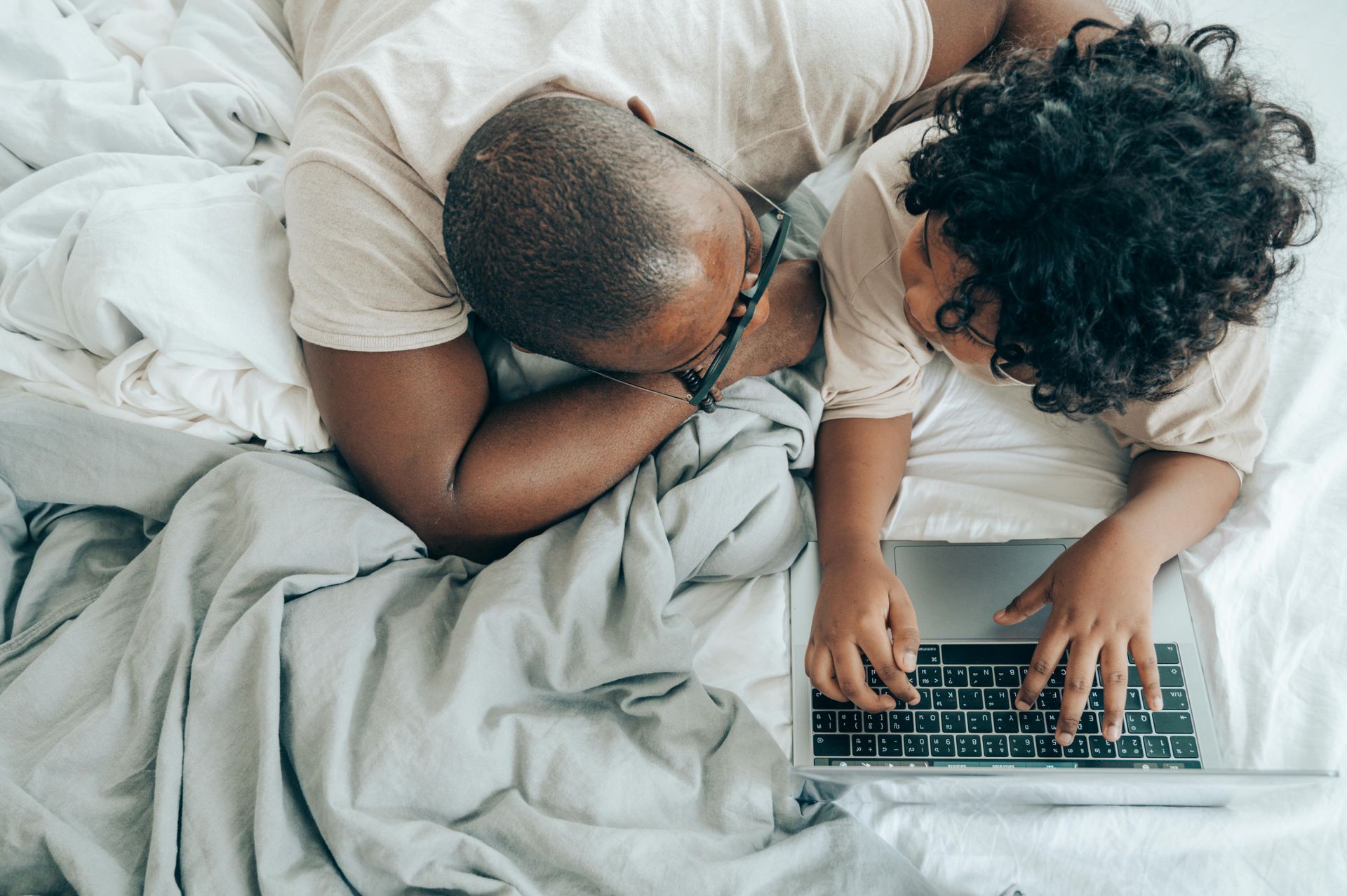
What changes with online
Online removes the geography. Anyone in the UK or internationally can work with me, provided we can find a mutually workable time zone.
It also removes the commute, which for some people is the difference between booking a session and not. If you work full-time, have caring responsibilities, or live with chronic illness or fatigue, the energy cost of attending a session in person can be a real barrier.
Online sessions take place wherever you feel safe and undisturbed. Some clients use their car, parked somewhere quiet. Some use a home office with the door closed. Some have a particular chair they only sit in for sessions, which becomes its own kind of ritual.
The work goes deep online too. Sometimes deeper than people expect. Being in your own environment can lower defences in useful ways.
Online tends to suit:
- People with demanding schedules or caring responsibilities
- People with mobility issues, chronic illness, or social anxiety
- People who travel for work
- People in rural areas without a local counsellor they connect with
- Anyone who finds it easier to open up when they are in their own space
Things to think about either way
Privacy. Wherever you have the session needs to be a space where you will not be overheard or interrupted. For online, this is on you. For in-person, the practice is set up for it.
Technology. For online, a stable internet connection and a private room. I use Google Meet and Zoom; both are secure and easy to join. No app downloads required.
Consistency. Whichever you choose, sticking with the same format usually helps the work settle. That said, plenty of clients mix the two — in-person when they can, online when they cannot.
Cost. Sessions are the same price regardless: £60 for individuals, £70 for couples.
What I would say if you are still unsure
If you are torn between the two, my honest suggestion is to start with whichever you can imagine yourself doing this month.
The barrier to entry matters more than the format. Better to begin online and switch to in-person later than to wait six months for the "right" set-up to feel available.
If you genuinely have no preference, I tend to suggest in-person for the first session and then deciding together from there. But this is a suggestion, not a rule.
Ready to start?
Both formats begin the same way: a free 15-minute breakthrough call. We can use it to decide together which approach is likely to suit you best.
I am Tony Novissimo, a BACP-accredited counsellor and psychotherapist with over 20 years of experience. I work with adults and couples, in person at my practice in Leamington Spa and online across the UK and internationally. No waiting list.
Book your free breakthrough call
Or call me directly on
07773 385 165.