When Autumn Anxiety Hits

Tony Novissimo • September 7, 2026

September has a particular flavour.


The mornings get a little darker. The school run starts again. Work picks up speed after the slower summer rhythm. The diary, which felt manageable in August, suddenly looks crowded.


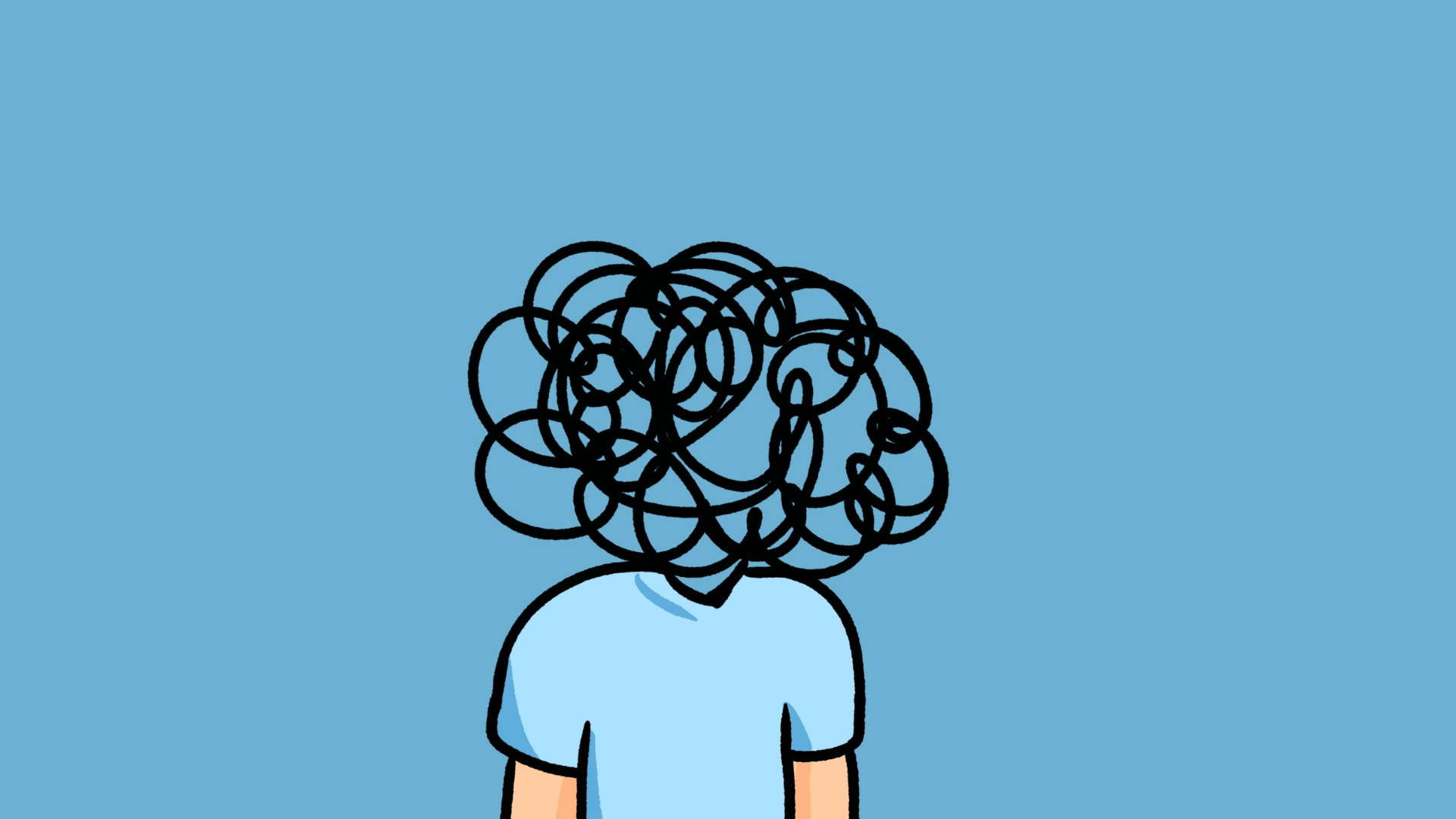
For a lot of people, this is the moment anxiety reappears. Not the dramatic, full-body kind. The quieter version. A low hum of overwhelm. A tightness in the chest that wakes you a bit earlier than you would like. A feeling that you are already behind on something you have not started yet.


If that sounds familiar, you are not imagining it. Autumn anxiety is real, and it has more to do with how we live than with the season itself.

Why September unsettles us

There are a few overlapping reasons.


The pace shifts abruptly. For most of the year we have either a school holiday or a regular week. September is the gear change between them. The nervous system needs time to recalibrate, but the calendar does not wait.


The light changes. Even at the end of August, the evenings are noticeably shorter. Light affects mood and sleep more than people realise. The body picks up the change before the mind catches on.


We arrive at September carrying things. Summer often surfaces difficult feelings that the rest of the year is too busy to address. Family tensions on holiday. The realisation that the rest you needed did not arrive. Grief that has more space because the diary has less.


The 'fresh start' pressure. September has more "new year energy" than January for many people. Children start new school years. Workplaces launch new strategies. There is an implicit pressure to be reset, refreshed, and ready. If you are not, the gap between expectation and reality can feel painful.

What helps

I want to offer something practical here, not platitudes. These are observations from 20+ years of working with people through exactly this moment.


Slow the gear change. If at all possible, do not pack the first two weeks of September with anything optional. The body needs runway to adjust. Treat the start of the month as a transition, not a launch.


Notice what you are carrying from summer. Sometimes autumn anxiety is not really about autumn. It is unprocessed material from earlier in the year showing up because the structure of normal life has resumed. A useful question: what feeling am I trying not to feel right now?


Get outside in the morning. Twenty minutes of natural light within an hour of waking does more for mood and sleep than most things you can buy. The science is robust on this, and it is free.


Limit the inputs. When the nervous system is already adjusting, news, social media, and packed schedules add load. You do not need to disappear. You just need to be choosier about what you let in this month.


Be honest about what is and is not yours to carry. A lot of anxiety in early autumn comes from absorbing other people's stress: returning colleagues, anxious children, school dynamics. Notice which feelings actually belong to you.


Sleep is non-negotiable. Almost every other strategy works better when you have slept properly, and almost none work when you have not. If sleep is the thing that has slipped, address that first.

When it is more than autumn

For most people, autumn anxiety is uncomfortable but passes within a few weeks. If yours does not, or if it arrives every year and never fully lifts, that is worth taking seriously.


Signs it is worth getting support:

  • The anxiety is interfering with sleep, work, or relationships
  • You are using alcohol, food, or distractions to manage it more than you would like
  • The same pattern arrives every autumn and you have been managing alone for years
  • You can no longer remember what feeling settled in your body actually feels like


Counselling can help with all of these. The work is not about getting rid of anxiety entirely. It is about understanding what your particular version of it is trying to communicate, and developing a different relationship with it.

Take the first step

If you are reading this in September and recognising yourself in any of it, this is your nudge.


A free 15-minute breakthrough call is the simplest way to begin. No commitment, no expectation. Just a conversation about what is going on and whether counselling might be the right kind of support.


I am Tony Novissimo, a BACP-accredited counsellor with over 20 years of professional experience. I work with adults and couples on anxiety, stress, life transitions, and a range of other challenges. Sessions are available in person in Leamington Spa or online across the UK.


Book your free breakthrough call


Or call me directly on 07773 385 165.


September will pass. You do not have to grit your teeth through it.

Therapist and client seated in a living room during a counseling session
By Tony Novissimo August 26, 2026
Online or in-person counselling? Both work. A practical comparison from a BACP-accredited counsellor who offers both, to help you decide which suits you.
Green highlighter marking the word “Benefit” on printed text
By Tony Novissimo July 26, 2026
Wondering whether your situation 'counts'? Six honest signs you might benefit from counselling, from a BACP-accredited counsellor with 20+ years of experience.
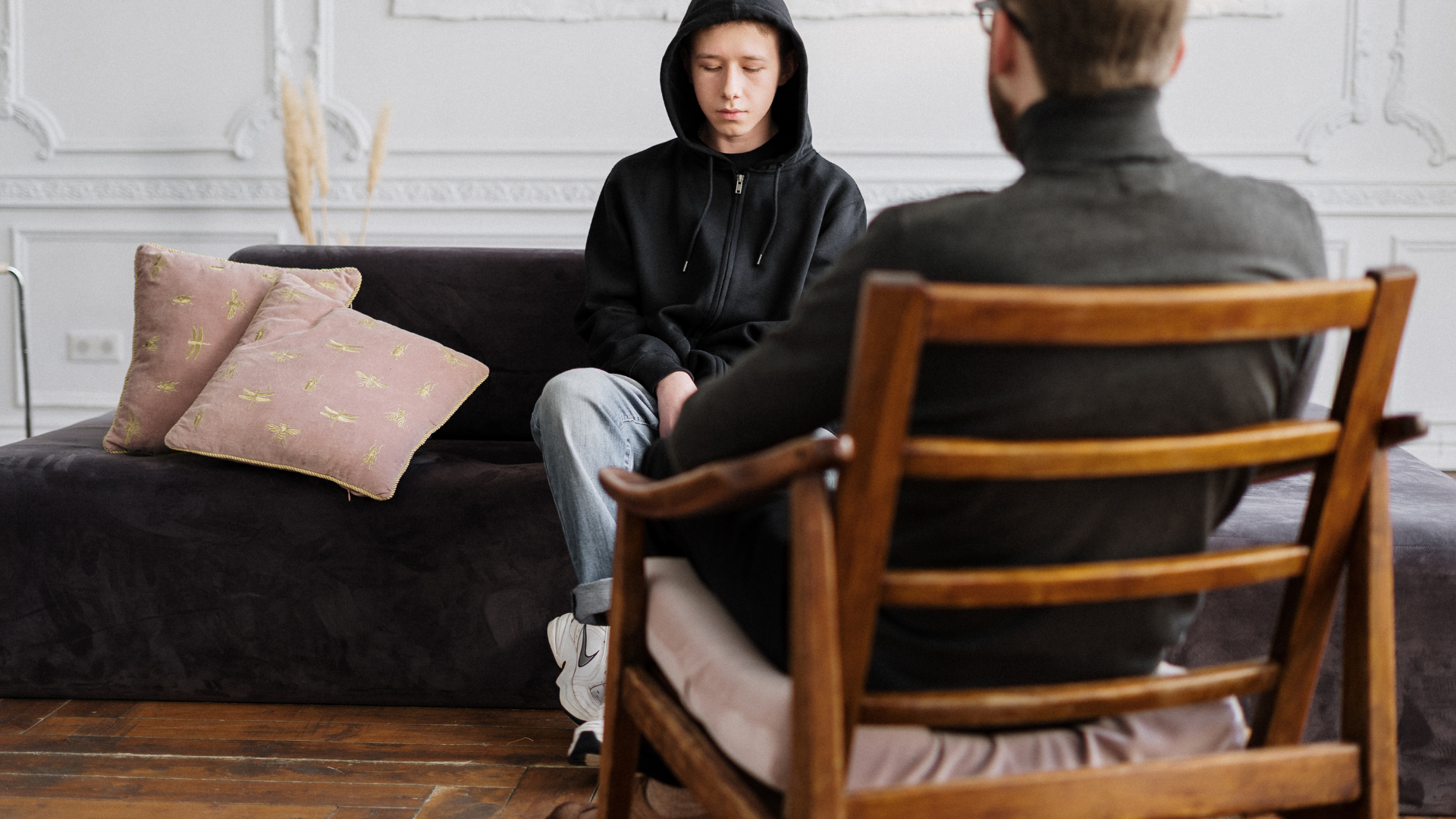
By Tony Novissimo June 26, 2026
Wondering what happens in your first counselling session? A practical, honest guide from a BACP-accredited counsellor with over 20 years of experience.
By Tony Novissimo June 11, 2025
The loudest voice in your head doesn’t have to be the harshest.
By Tony Novissimo May 14, 2025
And how professional support changes everything

By Tony Novissimo May 1, 2025
The Illusion of Needing to Catch Up
By Tony Novissimo April 1, 2025
What Can Walking Teach Us About Mental Wellbeing

By Tony Novissimo February 24, 2025
How to Choose the Best Online Therapy in 2025

By Tony Novissimo February 7, 2025
What the Parable of the Two Wolves  Is Really Teaching Us
therapist near me in leamington spa blog post about how therapy can help you heal from trauma
By Tony Novissimo January 6, 2025
How Therapy Can Help You Heal from Trauma
Show More